
تأسست الشركة

موظف شركة

مبيعات الشركة السنوية (م)

بلد التعاون
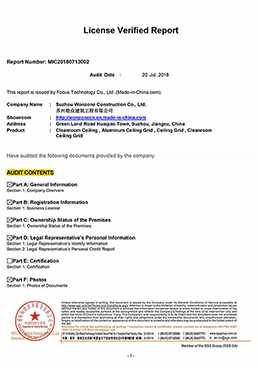
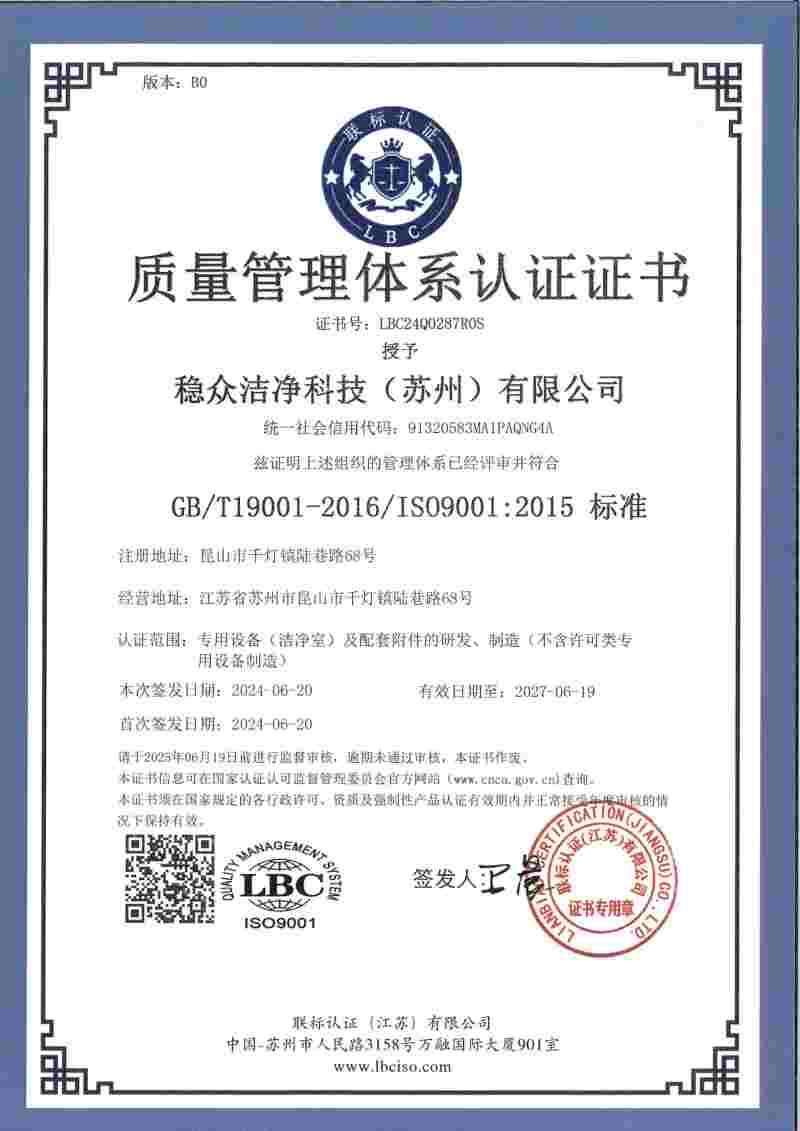
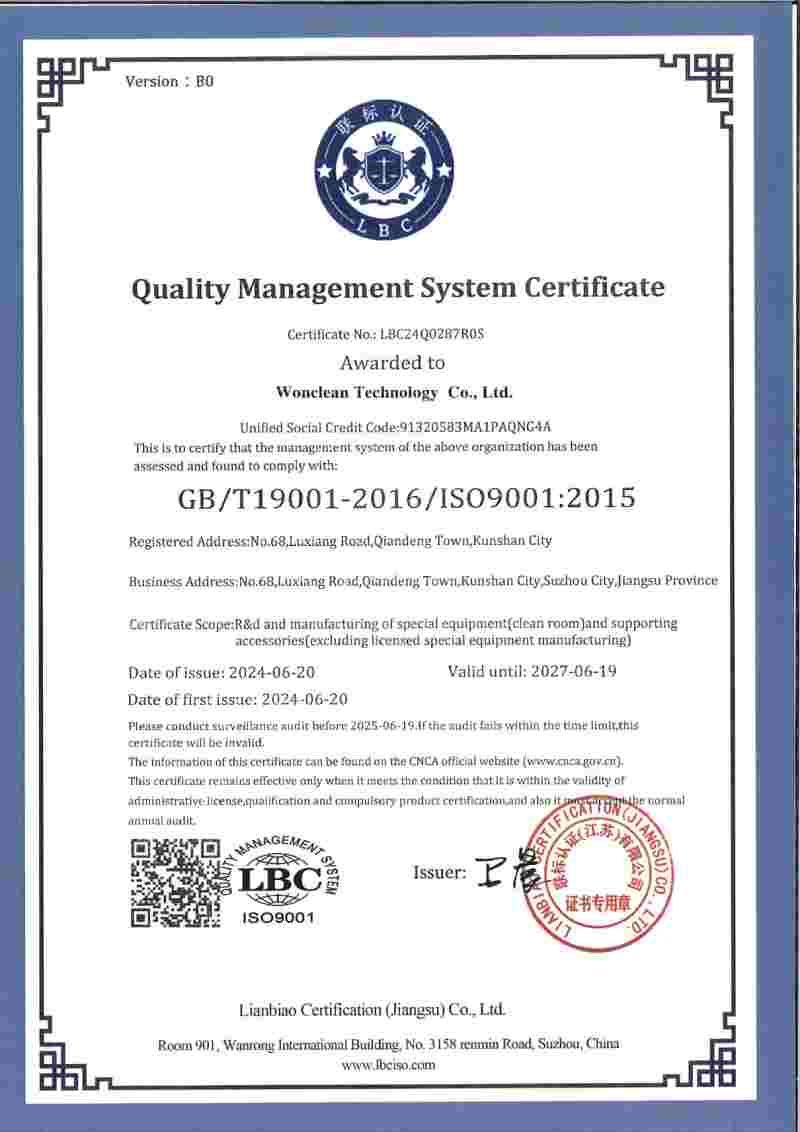
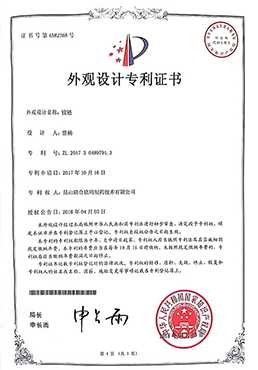
 WONCLEAN COMPANY LIMITED
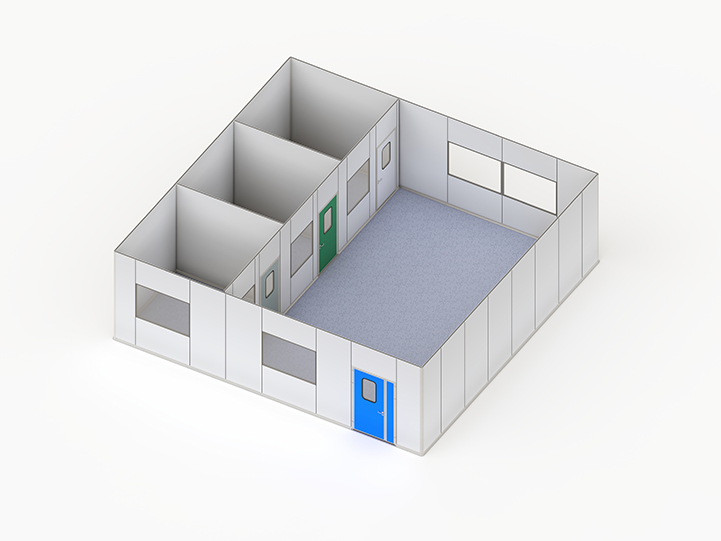
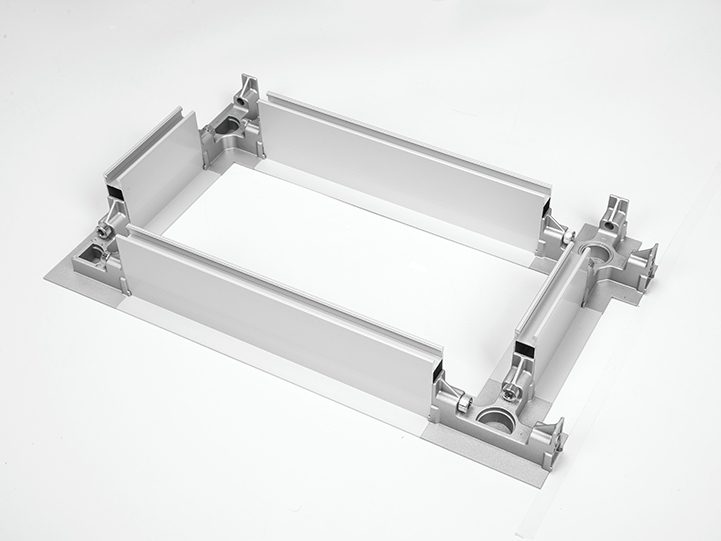
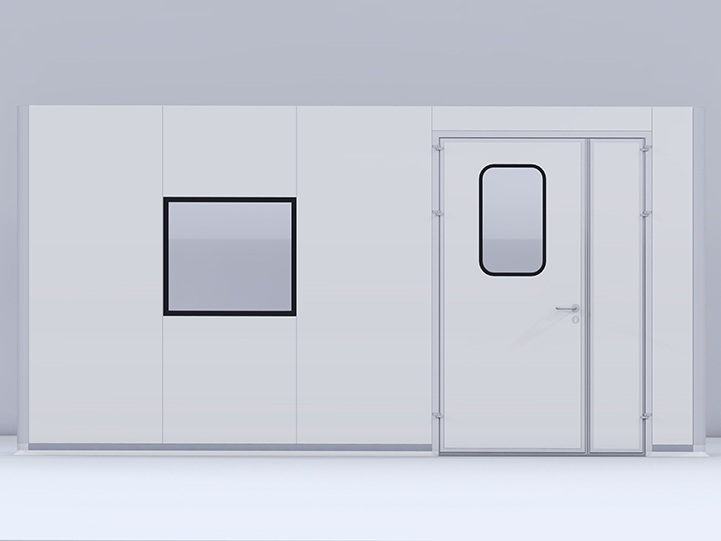
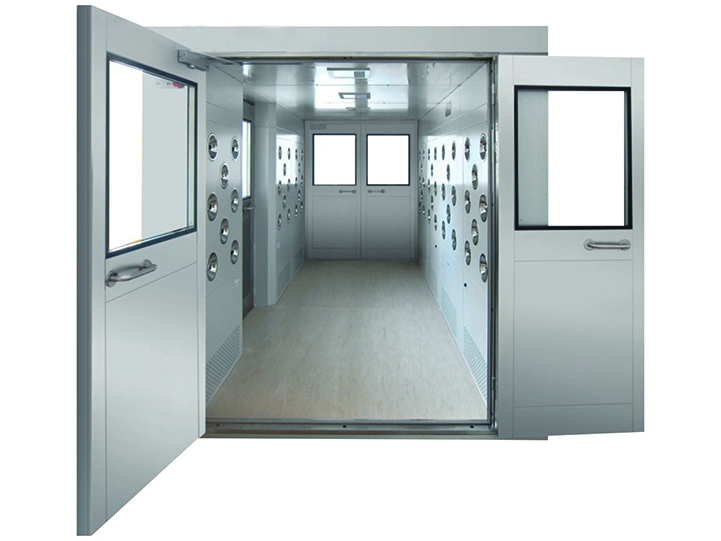
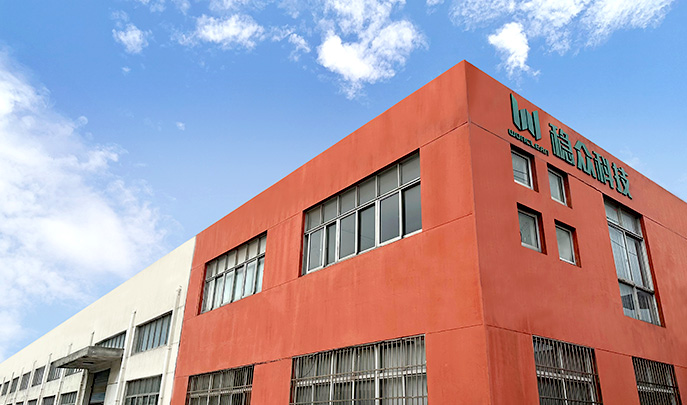
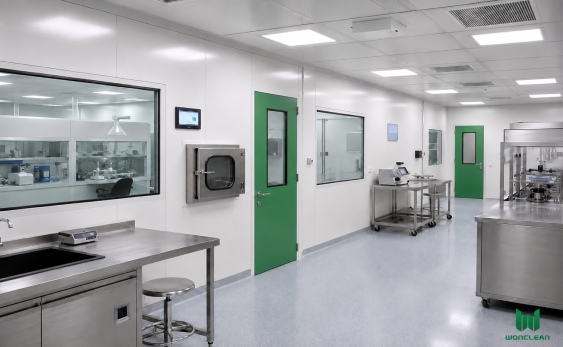
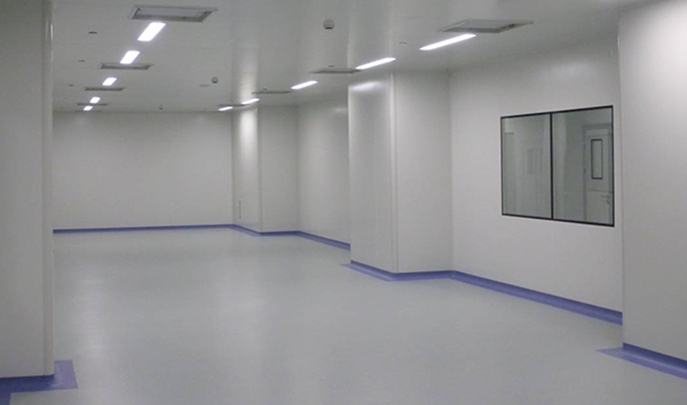
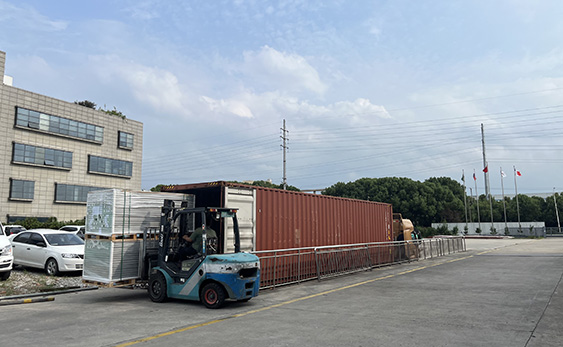
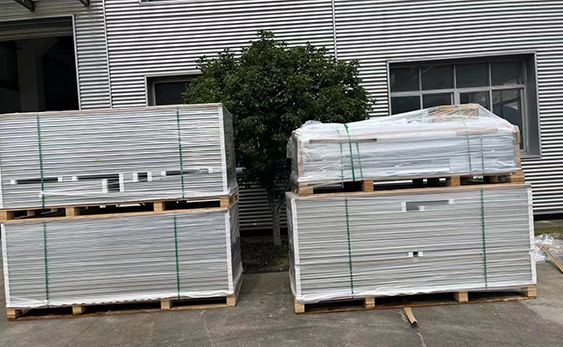
يقع مصنعنا في Kunshan ، Jiangsu ، الصين. إنه يركز مصنع هندسة البناء على تصنيع وإنشاء غرف نظيفة. يوفر برنامجًا وخدمة بناءً معقولًا مهنيًا واقتصاديًا للحصول على إلكترونيات المعلومات ، والمستحضرات الصيدلانية ، والغذاء ، ومستحضرات التجميل ، والصناعة العسكرية ، والصناعة الكيميائية وما إلى ذلك.
أكثر من 17 عامًا من فريق Cleanroom Experience Professional and Technical Team.
من خلال "البحث عن الحقيقة من الحقائق ، والتعاون في الخدمة" فلسفة العمل. افعل ما ينبغي القيام به ضمان بناء كل مشروع جودة ممتاز.
نطاق العمل: غرفة التنظيف. الكهروميكانيكية. هندسة الديكور.
.jpg)
.jpg)



2026
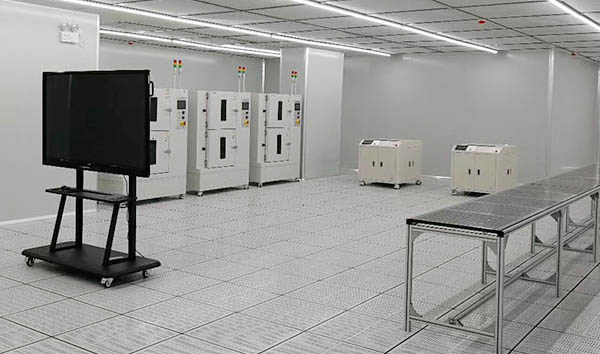
Technical Planning Guide | Medical Device Clean Lab Modular Clean Labs for Medical Device Manufacturing: Planning ISO Class, ACH and Clean Zones Medical device manufacturing often needs a controlled clean lab that is smaller, faster and more flexible than a full conventional plant. A modular clean lab can support pilot production, assembly, inspection, packaging or process development, but only when ISO class, airflow, ACH assumptions and clean-zone boundaries are planned as one technical system. modular clean lab medical device cleanroom ISO cleanroom class ACH and airflow ISO ClassDefine the required airborne particle limit and occupancy state. ACHUse air changes to size airflow, not to prove cleanliness alone. ZonesSeparate assembly, inspection, transfer and support areas. QMSKeep layout evidence aligned with device quality records. For medical device teams, the best modular clean lab is not simply a container with clean panels. It is a controlled space where product exposure, operator movement, particle sources, material transfer, cleaning method and quality documentation all point to the same risk-based design. Modular clean lab deployment. Exterior speed is useful only when the internal clean zones, HVAC access and transfer routes are designed for the device manufacturing process. Risk-Based Planning Start with the Device Process, Not the Container Size A modular clean lab for medical devices should begin with the device and the process: is the product open or packaged, dry or wet, sterile or non-sterile, implantable or external use, manually assembled or automated, inspected in-process or at final packaging? Each answer changes the clean-zone logic. ISO 13485:2016 is the international quality management system standard for medical devices. It does not prescribe a cleanroom layout, but it reinforces the need for controlled production conditions, documented processes and risk-based quality planning. A clean lab layout should therefore be easy to explain in the device manufacturer's quality file. For early design, define the product exposure steps, personnel count, equipment heat load, material entry, waste exit, cleaning method, monitoring points and batch or lot documentation before fixing the module footprint. ISO Class and ACH ISO Class Is Verified by Particles; ACH Is Only One Design Input ISO 14644-1 classifies cleanrooms by airborne particle concentration. ACH can help estimate airflow volume, but it cannot prove ISO class by itself. A clean lab with high ACH can still perform poorly if return paths are blocked, operators create uncontrolled turbulence, filters leak or workbenches sit in dead zones. ISO 14644-3 covers cleanroom test methods, including checks that help confirm airflow, pressure difference and installed filter system performance where specified. For modular clean labs, the design should make these checks practical after installation, not hidden behind inaccessible equipment panels. Clean lab planning points that connect ...
2026
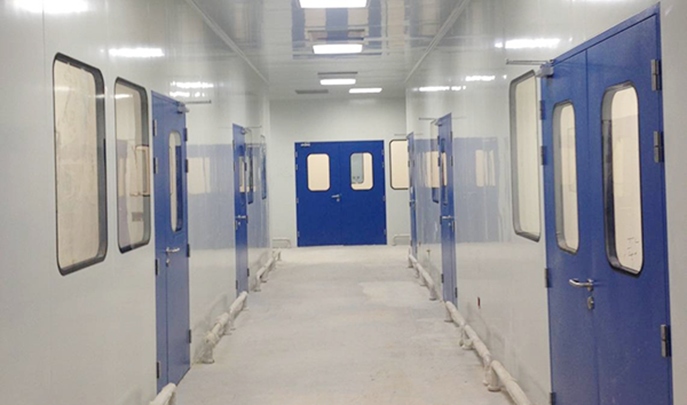
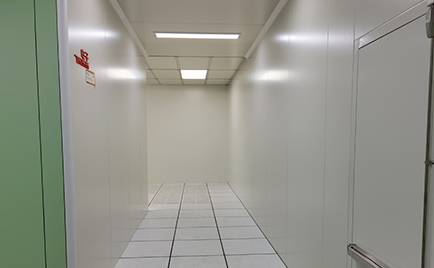
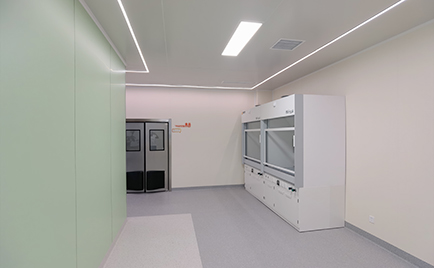
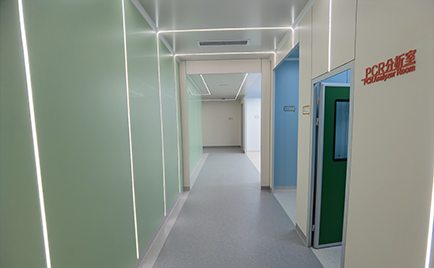
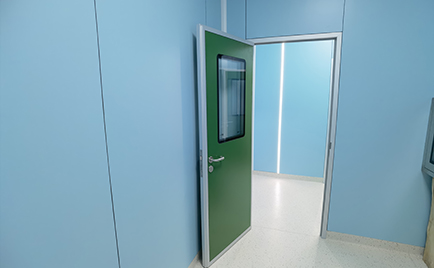
Technical Design Guide | Pharmaceutical Cleanroom Wall System Pharmaceutical Cleanroom Wall Panel Design: Chemical Resistance, Flush Joints and Microbial Risk Control Pharmaceutical cleanroom wall panels are not selected by color or panel thickness alone. The wall system must survive cleaning chemistry, limit particle shedding, reduce microbial harborages, protect pressure boundaries and keep doors, windows and utility penetrations cleanable through years of operation. pharmaceutical cleanroom wall panels chemical resistant wall panels cleanroom door interface GMP modular cleanroom ChemistryMatch panels to cleaning agents and exposure time. Flush JointsControl crevices, ledges and exposed fasteners. InterfacesSeal doors, windows, pass boxes and utilities. RiskSupport contamination control and inspection. In a pharmaceutical facility, the cleanroom wall is both an architectural surface and a contamination-control boundary. It separates process rooms, supports pressure cascade, receives repeated wipe-down, carries observation windows and absorbs the abuse of carts, gowning flow and maintenance access. Cleanable wall panel corridor. Large, smooth wall fields reduce cleaning complexity, but doors, glazing, coving and service details still decide the contamination-control quality of the room. Material Selection Chemical Resistance Must Be Matched to the Actual Cleaning Program A wall panel described as chemical resistant is not automatically suitable for every pharmaceutical room. The correct review starts with the cleaning and disinfection matrix: alcohols, hydrogen peroxide, quaternary ammonium compounds, sporicides, hypochlorite, acidic detergents, alkaline detergents, contact time, wipe frequency and residue behavior. For coated steel, HPL, stainless steel or other cleanroom wall finishes, the important failure modes include discoloration, blistering, loss of gloss, softening, edge swelling, corrosion, delamination and sealant breakdown. ASTM D543 is commonly referenced for evaluating plastic material resistance to chemical reagents, while ASTM D1308 addresses the effect of chemicals on clear and pigmented organic finishes. These standards do not replace project-specific acceptance criteria, but they help buyers ask for test evidence instead of relying on broad claims. Wonclean wall panel selection should therefore be reviewed against the user's cleaning SOP, room classification, microbial control target, impact risk and expected lifecycle. A panel that performs well in a low-cleaning utility corridor may not be the right finish beside a wash-down, disinfection or sterile support process. Design Checklist A Wall Panel Specification Should Control More Than the Panel Core Key design points for pharmaceutical cleanroom wall panels. Design point Technical risk Recommended control Surface finish Residue retention, particle shedding or cleaning damage. Review coating, HPL or stainless finish against cleaning agents and wipe method. Joint geometry Crevi...
ديزملا أرقا2026
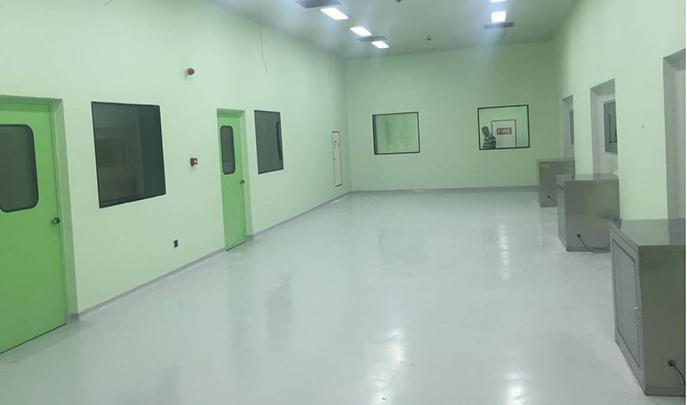
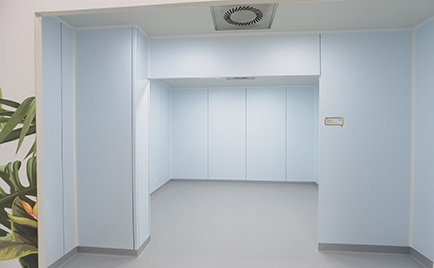
Technical Design Guide | Pharma GMP Cleanroom GMP Modular Cleanroom Design for Pharma: ISO 7/8, Pressure Differential and Validation Readiness A GMP modular cleanroom for pharmaceutical production must do more than achieve a target ISO 7 or ISO 8 particle class. It must support contamination control strategy, pressure differential, personnel and material flow, cleanable surfaces, monitoring access and documented validation from design through qualification. GMP modular cleanroom ISO 7 cleanroom pharmaceutical cleanroom cleanable wall panel ISO 7/8Classify particles under defined operating states. PressureProtect clean zones with a documented cascade. CCSSupport contamination control strategy. ValidationPrepare DQ, IQ and OQ evidence early. In pharmaceutical facilities, modular cleanroom design must balance speed with evidence. A factory-built or modularized envelope is valuable only when its surfaces, joints, airlocks, doors, HVAC interfaces and monitoring points can be documented and verified against GMP expectations. GMP corridor and room interfaces. Doors, windows and ceiling returns should support pressure differential and cleanable room boundaries. GMP Design Logic Start with Contamination Control, Not Only Room Class A pharmaceutical cleanroom should be designed from process risk: open product exposure, microbial risk, personnel intervention, material transfer, cleaning frequency, equipment maintenance and environmental monitoring. ISO 7 or ISO 8 targets are important, but they are only one part of the contamination-control picture. EU GMP Annex 1 emphasizes a contamination control strategy for sterile product manufacturing. Even when a room is not Grade A/B, the modular cleanroom envelope should help control contamination routes through cleanable construction, pressure control and defined flows. Wonclean modular cleanroom projects should therefore be reviewed with user requirement specifications, process flow diagrams, HVAC zoning, panel elevations, door interlocks and qualification documents before production starts. ISO 7/8 and Pressure ISO 7/8 Rooms Still Need a Real Pressure Differential Strategy ISO 14644-1 classifies cleanrooms by airborne particle concentration. In GMP facilities, the same room also needs a defensible pressure differential strategy that reflects product protection, cross-contamination risk, personnel movement and material transfer. A modular envelope can make pressure control easier because wall panels, doors, windows and penetrations are repeatable. But the design must avoid uncontrolled leakage. Door gaps, pass-through seals, ceiling returns and utility penetrations can all weaken a pressure cascade. Validation-ready design checks for GMP modular cleanrooms. Design item GMP risk Evidence to prepare Pressure cascade Cross-contamination or loss of product protection. Room pressure map, alarm logic and balancing report. Airlock sequence Personnel or material flow can bypass control points. Door interlock logic and op...
ديزملا أرقا2026
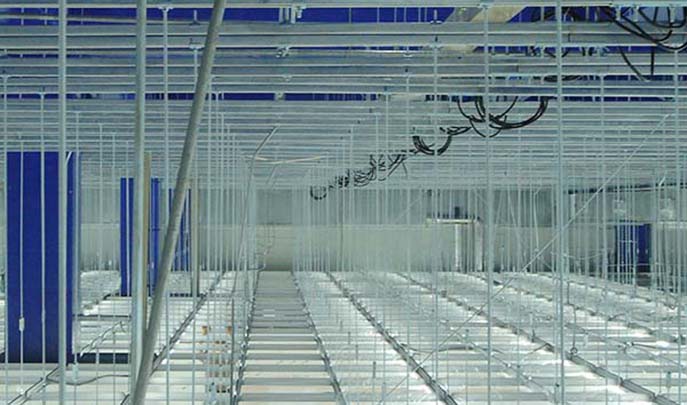
Technical Analysis | Semiconductor Cleanroom Ceilings Selecting Semiconductor Cleanroom Ceiling Systems: T-Bar Ceiling, FFU Coverage and ISO Cleanliness Control In a semiconductor cleanroom, the ceiling is the air delivery platform, service layer and structural interface for FFUs, filters, lighting, access panels and monitoring points. A T-bar ceiling system must therefore be selected around ISO cleanliness targets, FFU coverage, leakage control and maintenance access, not only profile dimensions. T-bar ceiling cleanroom ceiling FFU ceiling fan filter unit GridCarry FFUs, lights, panels and access loads. CoverageMatch airflow pattern to ISO class and heat load. SealControl bypass leakage at filters and ceiling joints. ServiceEnable safe filter, FFU, cable and lighting maintenance. The wrong ceiling choice can make a cleanroom expensive to qualify and painful to maintain. FFU density may look sufficient on a plan, but if the ceiling grid deflects, filters are difficult to change, gasket details leak or returns are poorly placed, the room may struggle to meet ISO classification and recovery expectations. T-bar profile and sealing logic. The ceiling grid must locate, support and seal FFUs, lights, blank panels and access modules with repeatable precision. Selection Logic Start with the ISO Target, Then Build the Ceiling Around Airflow ISO 14644-1 defines airborne particle cleanliness classes, but it does not prescribe a single ceiling construction. The ceiling designer must translate the target class into air supply strategy, filter location, return-air path, recovery expectation and maintenance access. For semiconductor rooms, ceiling design should also account for tool heat, equipment height, process sensitivity, AMC strategy, static-control needs and above-ceiling service traffic. A ceiling that works for a small metrology lab may be inadequate for a dense process bay with frequent filter service and strict pressure control. Ceiling as airflow platform. Light positions, diffuser or filter locations and blank panels should support clean airflow instead of fighting it. FFU Coverage FFU Coverage Is a Performance Decision, Not a Marketing Percentage FFU coverage is often discussed as a percentage of ceiling area, but the useful question is whether clean air reaches the risk locations and returns without short-circuiting. A high coverage number can still perform poorly if FFUs are clustered away from tools, blocked by equipment, mixed with poorly sealed blank panels or not balanced with returns. The project team should define air velocity targets, filter module size, control zones, redundancy, energy strategy and filter replacement sequence. For particle-sensitive semiconductor spaces, HEPA or ULPA filter class and documentation should be aligned with a recognized filter framework such as ISO 29463-1. FFU ceiling decisions that affect ISO cleanliness control. Decision Why it matters Practical check FFU density Controls supply volume, recovery and loca...
ديزملا أرقا













































 Room JT30151, Building 4, Area B, No. 925 Yecheng Road, Industrial Zone, Shanghai,China
 Info@wonclean.com
Allen@wonclean.com
Joy@wonclean.com
Info@wonclean.com
Allen@wonclean.com
Joy@wonclean.com
 +86 13671979988(Allen)+86 15950938878(Joy)






 تنرتنإلا ربع ةمدخ

